Introduction
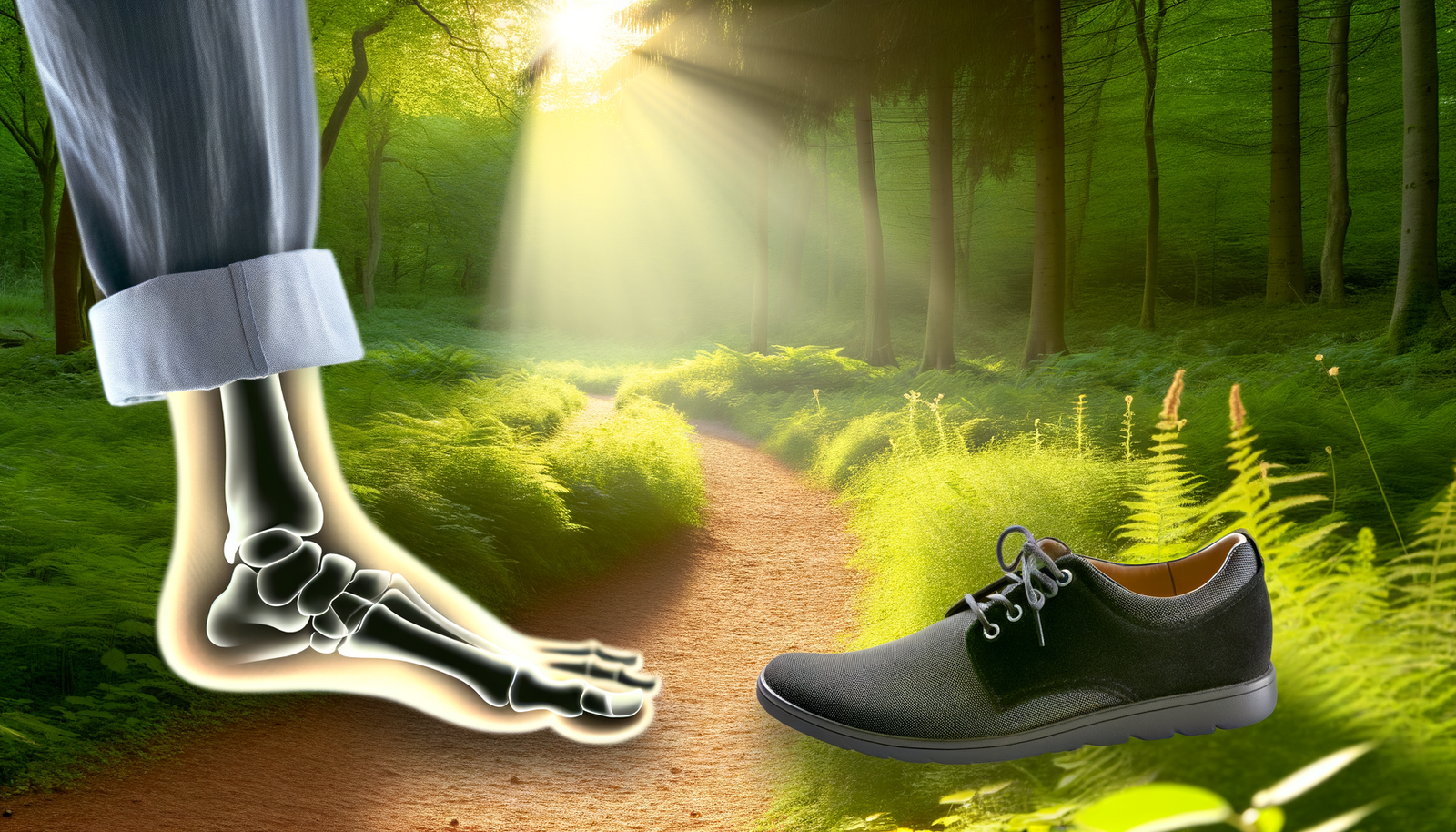
In recent years, barefoot and minimalist shoes have gained popularity as more people seek to embrace a natural approach to foot health. However, as with any trend, misconceptions arise, clouding judgment and decision-making. To help you make informed choices, we’re debunking common myths surrounding barefoot and minimalist footwear. By understanding the facts, you can better appreciate the benefits these shoes offer for your overall well-being.
Myth 1: Barefoot Shoes Lack Support and Are Harmful
One of the most persistent myths about barefoot and minimalist shoes is that they lack support, leading to potential harm. However, the truth is more nuanced.
The Reality
Barefoot shoes are designed to mimic walking or running as nature intended, allowing your feet to move freely and naturally. Studies have shown that wearing minimalist shoes can strengthen the intrinsic muscles of the foot, improving overall foot health. A 2016 study published in the Journal of Sport and Health Science found that individuals who transitioned to minimalist footwear experienced increases in foot muscle size and strength over a period of six months.
While it's true that barefoot shoes provide less cushioning than traditional footwear, they encourage a more natural gait, reducing reliance on external support and promoting a healthier foot structure in the long term.
Myth 2: Minimalist Shoes Are Just a Fad
Some critics argue that minimalist footwear is merely a passing trend with no real benefits. However, historical and scientific evidence suggests otherwise.
The Reality
Barefoot and minimalist footwear have roots in ancient human history. Our ancestors walked and ran barefoot or with minimal protection, indicating that our bodies are naturally equipped to handle such conditions. The concept of minimalist footwear is not new but rather a return to our biological roots.
Moreover, research supports the benefits of minimalist shoes for modern populations. A study published in the British Journal of Sports Medicine in 2014 highlighted that runners using minimalist shoes had a lower incidence of certain injuries compared to those wearing conventional running shoes. This evidence underscores the potential long-term advantages of embracing minimalist footwear.
Myth 3: Transitioning to Barefoot Shoes Is Dangerous
Many people believe that switching to barefoot or minimalist shoes can lead to injuries due to the sudden lack of cushioning. However, a gradual approach can mitigate these risks.
The Reality
Transitioning to barefoot or minimalist footwear is safe when done gradually. Experts recommend starting with short walks, allowing your feet to adjust to the new sensations and mechanics of minimalist shoes. Gradually increase the duration and intensity of activities as your feet become stronger and more accustomed to the change.
The American Podiatric Medical Association advises a slow transition to avoid overloading the muscles and tendons. Patience is key to reaping the benefits of barefoot shoes without unnecessary discomfort or injury.
Myth 4: Barefoot Shoes Are Not Suitable for Running
A common misconception is that barefoot shoes are unsuitable for running due to insufficient cushioning and protection. However, the evidence suggests otherwise.
The Reality
Barefoot running can be highly beneficial when approached correctly. Minimalist shoes encourage a forefoot or midfoot strike, as opposed to the heel strike promoted by heavily cushioned running shoes. This change in foot strike can reduce impact forces on the joints and enhance running efficiency.
Research published in the journal Footwear Science in 2018 indicated that runners using minimalist shoes experienced improved running economy and reduced injury rates compared to their shod counterparts. By fostering a more natural running style, barefoot shoes can contribute to safer, more efficient running.
Myth 5: Minimalist Shoes Are Only for Athletes
There’s a perception that minimalist footwear is only suitable for serious athletes or fitness enthusiasts. In reality, anyone can benefit from wearing barefoot shoes.
The Reality
Barefoot and minimalist shoes are not exclusive to athletes. They are designed for everyday wear, promoting healthy foot function for all individuals. Whether you’re walking to work, running errands, or enjoying a casual outing, minimalist shoes can enhance your foot health and overall comfort.
The adaptability of barefoot shoes makes them a versatile choice for various activities, supporting your lifestyle while fostering better foot mechanics.
Conclusion
Understanding the truth behind common myths about barefoot and minimalist shoes can empower you to make informed decisions about your foot health. These shoes offer a return to natural movement, strengthening foot muscles, and potentially reducing injury rates. By transitioning gradually and embracing a natural approach to footwear, you can enjoy the benefits of barefoot shoes in your everyday life.
Remember, your feet are the foundation of your mobility. Embracing minimalist footwear is a step towards nurturing them as nature intended. As always, consult with a healthcare professional if you have specific concerns about foot health or transitioning to minimalist shoes.